DER FILMMAKER

DER Filmmaker – Melissa Llewelyn-Davies

Melissa Llewelyn-Davies

United Kingdom
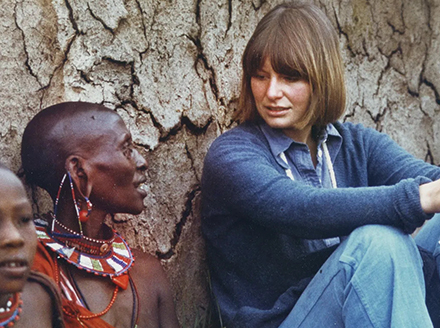
  • Melissa Llewelyn‑Davies (1945–2025) was a British anthropologist and documentary filmmaker best known for her extensive work with the Maasai of southern Kenya. After studying anthropology at University College London and pursuing postgraduate studies at Harvard, she spent two years immersed in Maasai society as part of her doctoral research before foregoing the doctorate to pursue filmmaking as her medium of anthropological expression.

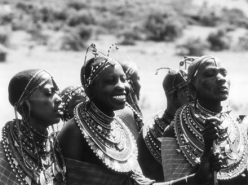
    She joined Granada’s Disappearing World television series in 1971, which led to her first film Maasai Women in 1973 and the beginning of a remarkable cycle of nine films documenting Maasai life over two decades. Her most celebrated contribution is the Diary of a Maasai Village series, a set of five films produced in 1985. Structured like a diary, the series documents roughly seven weeks in the life of a single Maasai village, weaving together episodes and events—such as rituals, familial interactions, and everyday concerns—into a vividly episodic, immersive portrait. The narratives center around the Laibon, a senior spiritual leader in the community, his extensive family, and their shared anxieties over diminishing herds and economic pressures.

    Llewelyn‑Davies developed deep personal bonds with her Maasai interlocutors, learned the Maa language, and frequently recorded voiceover commentary herself, lending her films both scholarly insight and emotional immediacy. Her Diary films, along with other works like Maasai Women and The Women’s Olamal, challenged ethnographic conventions through long-form storytelling and thematic richness. Through her innovative, respectful, and deeply empathetic approach to filmmaking, Melissa Llewelyn‑Davies left an enduring legacy in visual anthropology and documentary practice.